
We recently walked into a networking event organised by Carta expecting the usual. Name tags, a few limp handshakes, and a room full of people performing interest in each other until they could politely leave. Most of these things feel like a corporate play date, where adults get herded into one space and told to mingle.
We were wrong.
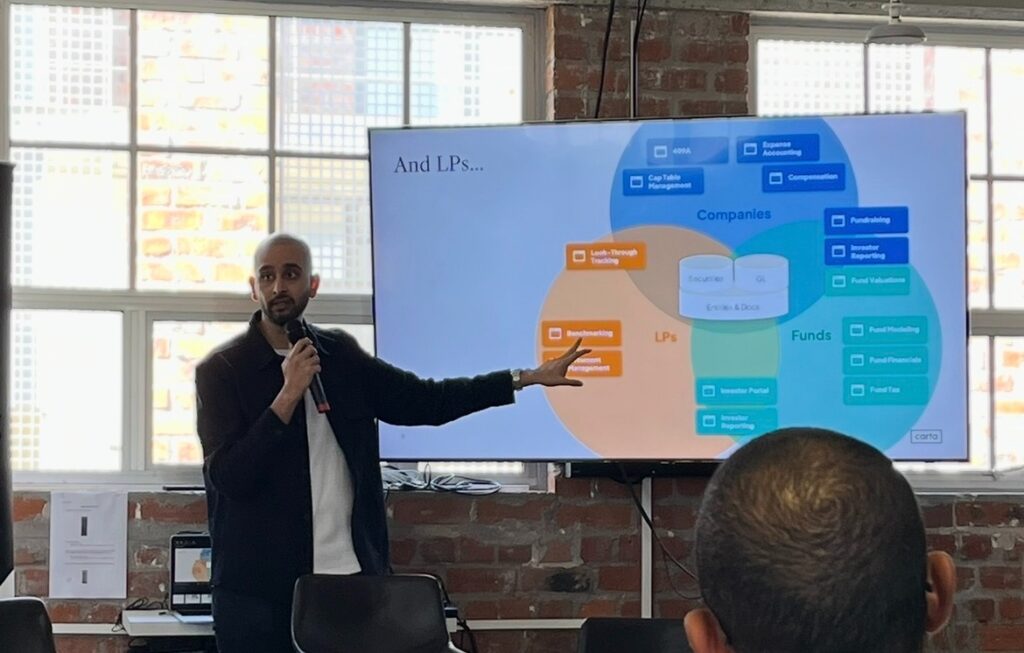
Carta, the equity management platform a lot of startups use, hosted it, and from the door it was clear someone had actually thought about the people walking in.
A few months later, we sat down with Yolanda Mabuto for our podcast. Yolanda works in the energy sector, sits on several global boards, and is the kind of person who, if you tell her what you are working on, will already have someone to refer you to before you finish your sentence. She has built an entire career on networking, and listening to her made something click.
Carta showed us what good hosting looks like. Yolanda showed us what good attending looks like. They are two halves of the same thing, and that thing is trust. The host’s job is to remove the friction that stops people from connecting. The attendee’s job is to show up ready to give before they take. Get both right and a networking event stops being a chore and starts being worth your time.
Here is our complete guide to networking: Hosting, Attending, and the Part Everyone Gets Wrong
If You’re Hosting
Everything Carta did came back to one idea: make it easy for strangers to feel comfortable around each other. Here is how they pulled it off, and how you can copy it.
Tell people who is in the room. Right at the door, we had to put a sticker on our chest with our name and one label: Founder or Investor. It sounds basic, but it removed all the guesswork. You knew instantly who you should be talking to and what kind of conversation made sense. No awkward five minutes of figuring out whether the person in front of you is a peer, a prospect, or completely unrelated to why you came.
Feed people the second they arrive. There was a coffee bar at the entrance, with free breakfast, and we were waved over to order before we had a chance to feel lost. That one decision killed the awkward “what do I do now” moment that usually follows signing in. People relax when they have a coffee in their hand and somewhere to stand.
Keep the talking short, and tell people how short. Instead of long speeches, there was a tight presentation on the trends and challenges that founders and investors actually care about, followed by a Q&A with the managing director and product lead. Before it even started, they told us the topic and exactly how long it would run. That is an underrated move. People stay engaged when they know what they are in for and when it will end.
Make your senior people approachable. The thing that surprised me most was that the senior team was circulating, introducing themselves, and listening, rather than standing behind a podium looking important. It removed the “I’m too busy to talk to you” energy that quietly kills engagement at a lot of corporate events.
Give people something to walk away with. At the end there was a free booth for professional LinkedIn-style headshots, open to anyone. It was genuinely useful, (some on our team have actually uploaded them as profile pictures for Slack and LinkedIn) and there was a smart side effect: when those photos landed in everyone’s inbox a few days later, Carta was right there, top of mind, all over again. There was a goodie bag too, but the headshot was the real win.
This lines up with what experienced networkers say about hosting. As one networking event guide puts it, the best thing a host can do is act like a host rather than a guest: help people find the coffee, welcome them, and make the nervous ones feel at ease. Carta did that at scale.
The through line is friction. Every choice they made removed a small reason for someone to feel awkward, lost, or unsure of what to do next. If you are planning an event, walk through it as a nervous first-timer would and remove every one of those moments you can find.
If You’re Attending
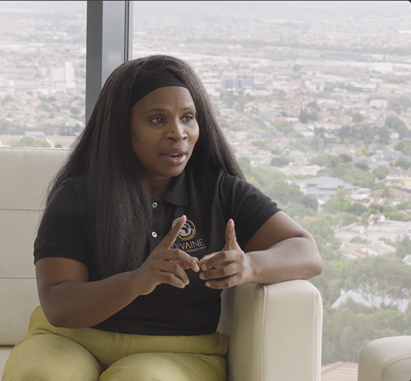
Yolanda is the person every host hopes walks through the door. Her approach flips the usual networking script on its head, and most of it is learnable.
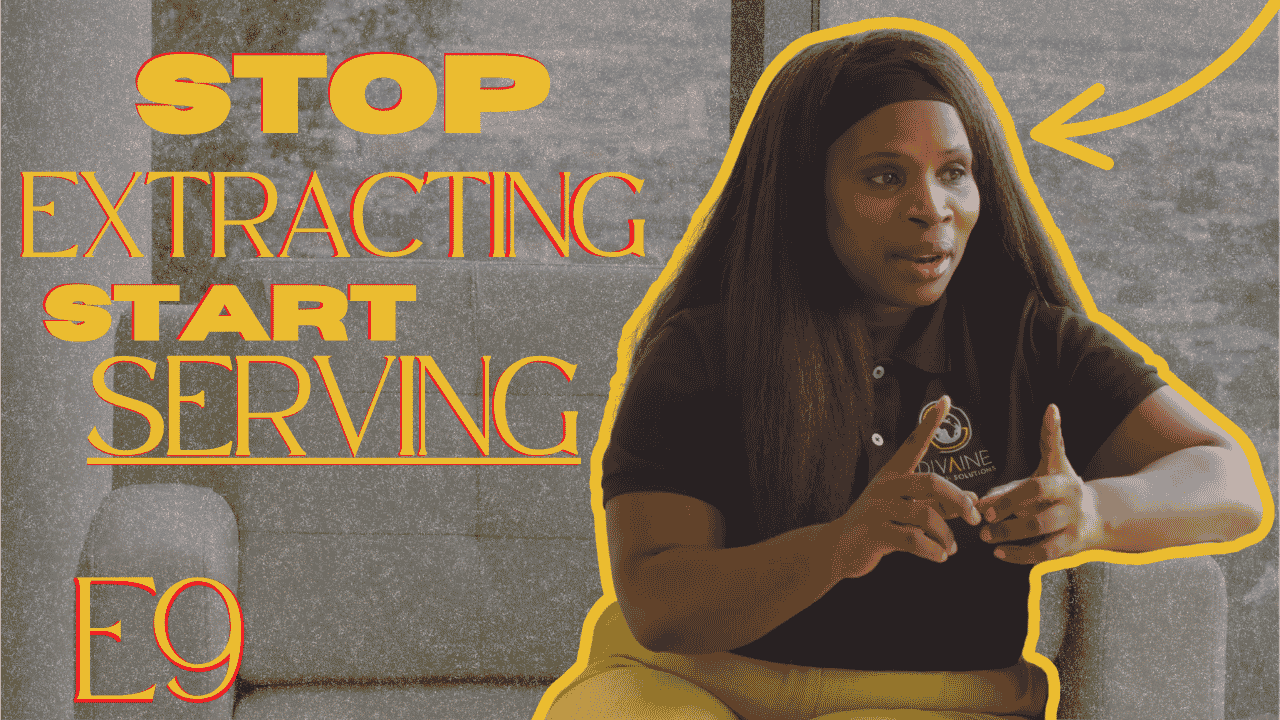
Stop trying to extract. The mistake most of us make is treating networking as extraction, as if we are there to mine something out of people. Yolanda’s point is that we are not after gold, we are after relationships that last beyond a single event. She walks into a room asking how she can add value to the people there, not what she can get out of them. The business, if it comes, comes later.
Know your why, and do your homework. Before an event, she checks the programme, looks at who is attending, and decides what her goal is. She also decides which version of herself is showing up. She describes herself as two brands, the global leader and the managing director of her company, and she tailors her introduction to match the room. Pick the version of you that fits before you arrive.
Treat your pitch like a muscle. When she was learning, Yolanda went to every event she could just to build the confidence to introduce herself well. The current advice agrees with her: a good elevator pitch should spark curiosity, not recite your CV. Lead with the outcome you create for people, not your job title. “I help small businesses get found online” beats “I’m a web designer” every time.
Use a simple ice-breaker. Yolanda’s trick is to take a selfie with someone who is genuinely interested in connecting. You get their number so you can send them the photo, and the next day you message them with it: “Hey, we met at this event.” That picture becomes your reason to follow up, and it feels natural rather than forced.
Exchange details on purpose. If someone has run out of business cards, ask for their email and write it down on the spot. That small act signals you actually intend to follow up, which already sets you apart from the people collecting cards they will never look at again.
Follow up in hours, not days. This is where most people lose. Around 68% of professionals never reach out at all after a networking event. Yolanda’s rule is 24 to 48 hours, and her reasoning is sharp: there is another event tomorrow, and someone there will introduce themselves better than you did. Strike while the conversation is still fresh.
Be politely persistent. A lack of reply is rarely rejection. As Yolanda puts it, people are busy, not ignorant, and they make time for people they want to meet. If she does not hear back, she follows up again a few days later, and again, until she gets a response. Persistence done respectfully keeps you top of mind.
Remember you always have something to give. If you are starting out and feel like you bring nothing to the table, you are wrong. Your time, your attention, and your genuine curiosity about someone else’s work are valuable. Yolanda has been introduced to senior people by contacts everyone else wrote off as too junior to matter.
Keep the contact warm over years. A light check-in every few months is enough. A quick “how’s business, how’s the family” keeps a relationship alive without being needy. She once invited a contact to speak on a panel four years after they first met, purely because that person had stayed in touch and felt authentic.
Then, and only then, convert. Yolanda calls turning connections into currency an art, and the order matters. You lead with their goals, you understand what they are trying to achieve, and you let the business conversation arrive once trust exists. Walk in announcing what you want and you lose.
Watch the full conversation we had with Yolanda about networking here!
The One Mistake That Closes Every Door
When we asked Yolanda about the biggest mistake she sees, her answer was simple: being self-serving. People can tell when someone has shown up only to take. They notice, they quietly warn each other, and slowly every door closes while that person wonders why. Reputation, in her words, opens doors you would never dream of, which is exactly why it is worth protecting like an investment.
Where Hosting and Attending Meet
A good networking event is really just a container for trust. The host builds the conditions for it, the attendee shows up ready to give before taking, and the business follows on its own time.
That is also why what happens after the event matters as much as the handshake. The reputation Yolanda talks about has to live somewhere when a new contact looks you up the next morning, and word of mouth still sways somewhere between 20% and 50% of all purchasing decisions according to McKinsey research. If your website does not back up the impression you made in person, you lose the very trust you worked to build in the room.
That is the part we at JCKFRUT help with. If you want to make sure the people who hear about you actually find something worth trusting when they go looking, get in touch with us and we will take a look at what your online presence is saying about you.
And if you want Yolanda’s full breakdown, it is well worth a listen on our podcast, The Entrepreneurs Narrative. Subscribe to our youtube channel for more insightful conversations with entrepreneurs posted monthly!