
South Africa’s Informal Sector Solves (some of) the Problems Formal Businesses Pay Consultants For

The sector we call informal has worked out many things that formal businesses pay consultants for, and it did it without a strategy document. We wrote about a few of them so your business can rethink its strategy.
He Started With £1,000 and a Sewing Machine. Now Gymshark Makes £646 Million a Year
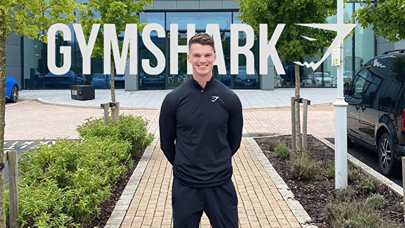
In 2012, a 19-year-old was delivering pizzas across Birmingham at night and stitching gym vests in his parents’ garage during the day. Thirteen years later, that same guy runs one of the fastest-growing fitness apparel brands in the world. Here’s how Ben Francis got there.
How Yoco Beat the Big Five Banks to South Africa’s Small Business Market

The best South African business story of the last decade might also be the least talked-about outside of tech circles. Here’s how Yoco went from their first transaction to a R12.5 billion business.
How to Host a Networking Event People Actually Want to Attend (and How to Work the Room Once You’re In There)

We recently walked into a networking event organised by Carta expecting the usual. Name tags, a few limp handshakes, and a room full of people performing interest in each other until they could politely leave. Most of these things feel like a corporate play date, where adults get herded into one space and told to mingle.
We were wrong.
Your Customers Don’t Want to Email You: Why South African Customers Prefer WhatsApp

When a South African customer wants to ask a business a question, their instinct is to send a WhatsApp message. They do it with their hairdresser, their mechanic, their dentist, and the guy who fixes their gate motor. It’s how commerce works here (and the rest of Africa). But most business websites still don’t accommodate this. Read more to find out why your South African customers don’t want to email you, and prefer WhatsApp instead.
AI Can Build Your Website in 10 Minutes. Here’s What It Can’t Do.

It had to happen eventually. AI website builders have crossed from novelty into the mainstream, and in 2026, they’re genuinely impressive. So here’s the obvious question: if AI can do all of this, why would you pay a web designer?
TikTok Taught Us to Skip. Now What?

With AI photo and video generation technologies crossing over from the early adopters to late majority, we’re set for a year where AI will exercise full dominance of the algorithms and by effect, our attention spans. So the question is: what can we do as marketers?
AI is Lying, Ads are Dying, and Other 2026 Marketing Predictions for 2026

Welcome to the year where your audience scrolls faster than your brand strategy can keep up. Marketing in 2026 will mutate rapidly as AI-generated content floods every feed and with user trust falling every day, what worked last year might now get you ghosted by your audience. Here are our top five Marketing predictions that will shape the internet in 2026 and beyond…
How to Build Trust Online in the South African Health Industry

Many South African healthcare practices still treat their websites like digital brochures. But in today’s world, potential clients will form an opinion about you before they ever walk through your doors. Read more to find out how to ensure your online presence can bring you more customers!
We can tell when you use AI: how to spot (and avoid) robotic writing

Ever read something online and thought, “This feels off… it’s too perfect. It’s not just unnatural, it’s robotic!”? Congratulations—you’ve just encountered the infamous “It’s not just X, it’s Y” AI sentence structure.
Yes, artificial intelligence is often guilty of writing quite predictably, but it can be used as a legitimate help when you need it- continue reading to find out how!